Editor’s note: Steve Brawner, the author of this column, is syndicated to 24 outlets in Arkansas. Email him at brawnersteve@mac.com.
School districts in much of Arkansas are facing what Edunomics Lab has called “The Big Shrink.” They’ll have to respond by deliberately redesigning themselves rather than delaying and degrading.
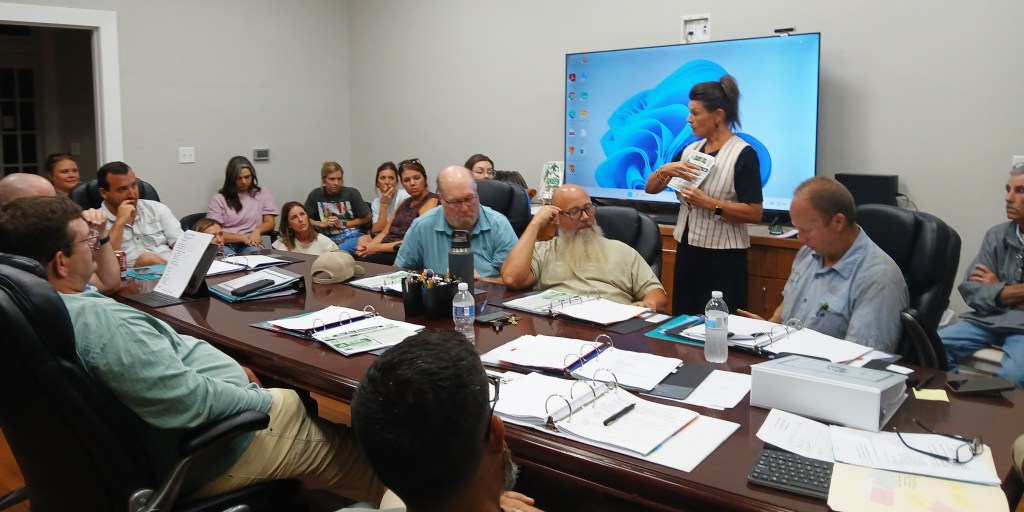
That was the message Hot Springs Superintendent Dr. Mike Hernandez shared last month at a conference of school board members and his fellow superintendents.
Edunomics Lab, a Georgetown University-based education research center, coined the phrase “The Big Shrink” in response to declining enrollment at public schools across the country.
It’s happening in Arkansas. The number of public school students here reached a high of 479,432 in 2020, fell in 2021 during COVID to 472,004, and rebounded somewhat but not completely to 476,579 by 2023.
Then the numbers started dropping. Enrollment was 474,337 in 2025 and then fell to 465,421 this past school year – almost a 9,000-student decline.
School choice is one of the three reasons Edunomics Lab lists for the “Shrink.” More families are choosing alternatives for a variety of reasons, including deeply held religious ones.
In Arkansas, the LEARNS Act of 2023 makes it easier for them to make that choice. This past school year was the first in which all Arkansas students were eligible for the law’s educational freedom accounts. The EFAs this past year granted $6,864 in state funding for private or homeschooling students. More than 44,000 students received an account. Most were already attending a private or home school, but not all.
The enrollment period for this upcoming year, when students will receive $7,208, closed June 1. The state Department of Education received 54,442 applications. Some of those will be for students leaving public schools.
As the Edunomics Lab pointed out, school choice is only one of the reasons public school enrollment is declining. The two others are falling birth rates and declining immigration. There are fewer children being born, and there are fewer foreign students enrolling.
Hernandez knows this as well as anyone. His most recent job until this year was leading the Arkansas Association of Educational Administrators, the superintendents’ group. This year, he returned to Hot Springs for a second stint leading the district.
That district has seen its enrollment fall from roughly 3,700 students in 2014 to 3,412 as of last October 1. More worrisome for school administrators is what the future holds. In 2014, Hot Springs had 416 kindergarten students. This past year, it had 255. Declining enrollment in kindergarten through fifth grade classes has been partially offset by increasing enrollments in older grades, but those students will not be there as long. It’s the kindergarten students who best feed the pipeline.
Hernandez said school administrators across the state are always concerned when enrollment declines. The state funds school districts on a per-student basis, so a student lost is funding lost. Meanwhile, it costs about the same to educate 19 kindergarten students as it does 20. The school still must pay the teacher’s salary, its construction debt for building that classroom, and the electricity bill. This past year was OK because state lawmakers increased school funding overall. But there’s no guarantee that will continue.
His message to school administrators and school board members was that they must manage the student enrollment decline proactively rather than “delay and degrade” – spending down their reserves while they hope things somehow get better.
Instead, he said the better choice is “deliberate redesign.” That’s where school leaders consider changes strategically rather than reactively. They look at what’s really valuable versus expenditures that are high cost but low impact. They might build smaller facilities in anticipation of having fewer students. They focus on providing stronger academics and helping parents find pathways for their children. One of Hot Springs’ four elementary schools will have an outdoors focus next year.
“A famous quote is, ‘If everything’s important, nothing is,’” he told school board members and administrators. “And so that’s what you have to determine. If it’s important to you to have a winning football team, and you want to focus on that, at least y’all decided, ‘That’s our focus.’ But if academic achievement’s important, then you have to do everything and focus on that, and that’s where your dollars go. And then whatever is left over, you pay for other things.”
Again, his message for schools was “Deliberate redesign” instead of “delay and degrade.”
In these rapidly changing times, that’s good advice for all of us.