
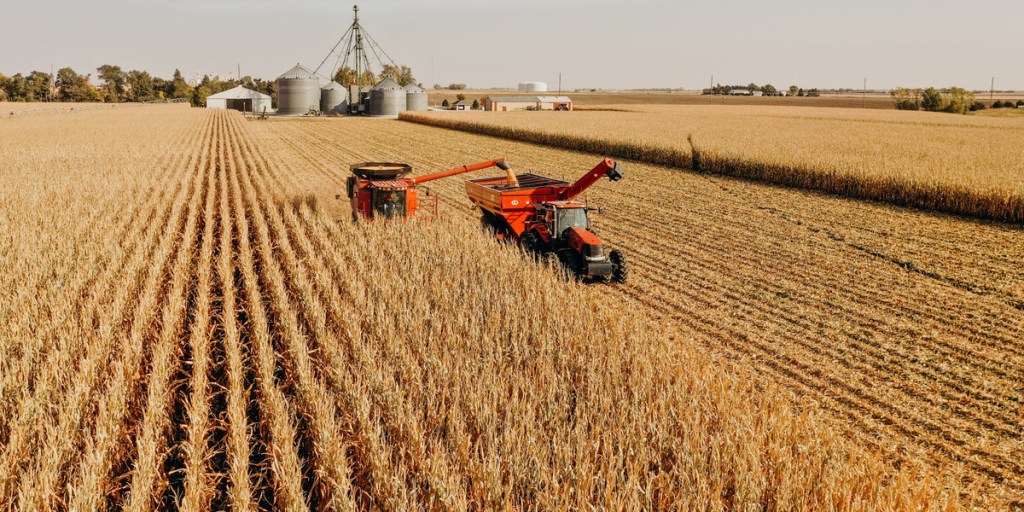
The Arkansas Agriculture Hall of Fame added six new members to its ranks on Friday, March 27 at a Statehouse Convention Center luncheon in Little Rock.
The newest inductees were recognized for their contributions to the fields of soybean, rice, forestry and cotton, along with their impactful roles in the U.S. Congress and the Arkansas Legislature.
“it’s only one day a year, but it ought to be more,” said Arkansas Agriculture Hall of Fame Chair Debbie Moreland of Roland. “Having said that, it’s an honor for me to be able to participate in this in any way. We need a few good positive things to happen, to remind them that people do appreciate what they do.”
This year’s inductees included:
Jim Carroll III of Moro, who served on local and national boards, including chair of the United States Soybean Board, helped to expand global markets, research innovation and strengthen sustainable production.
Joe Fox of Fayetteville had a 50-year career in forestry and wood products, highlighted by uniting forestry businesses, nonprofits and state agencies to establish Arkansas’s largest conservation easement.
Allen B. Helms Jr. of Clarkedale partnered with his dad in 1971 to form Allen Helms & Son and has managed multiple farms, warehouses, gins and companies over the years.
Blanche Lincoln of Washington, D.C., contributed to the agriculture industry in rural Arkansas and across the nation, serving Arkansas in the U.S House of Representatives and the U.S. Senate. She was the Senate Agriculture chair during her final term.
John Paul Pendergrass of Charleston sustained and expanded a family cattle operation that started in 1870. As co-owner since 1979, he has grown Pendergrass Cattle Company into one of Arkansas’ leading stocker and feeder cattle outfits.
Benny Petrus of Stuttgart built, owned and/or operated five agricultural businesses, two automobile dealerships and served in the Arkansas House of Representatives (2003-08). He was the Speaker of the House for one term.
“These six individuals have all been instrumental in a wide variety of areas of agriculture,” said Moreland. “While we always value the new people coming on, we’d never want to take away from what these people have already done so that we could be here. These are the shoulders that we stand on so that we can get to where we are today, so that we can continue to do an outstanding job for food, fiber, and food security.”
Agriculture is Arkansas’ top industry and a massive economic engine for the state. According to the University of Arkansas Division of Agriculture, agriculture contributes more than $24.3 billion to the state’s economy and employs over 242,000 jobs, or 1 in 7 positions.
 The Grand Prairie Herald