
Editor’s note: This story appears courtesy of George Jared with Talk Business & Politics.
Producers who intend to use the crop weed killer dicamba must adhere to certain rules and regulations when it comes to its application, according to the Arkansas Department of Agriculture.
In February 2026, the Environmental Protection Agency (EPA) issued new federal registrations for over‑the‑top (OTT) dicamba products for the next two growing seasons, accompanied by expanded national restrictions. As part of this action, EPA removed all federal cutoff dates for OTT dicamba applications on soybeans and cotton. Arkansas’s state cutoff date of June 30 remains in effect.
Producers and applicators who fail to comply with federal and/or state laws and rules may be subject to civil penalties of up to $25,000 per violation, as well as possible suspension or revocation of their applicator license.
From April 16 through June 30, the application of registered in-crop dicamba products is allowed only under certain conditions. Farmers must maintain a one mile buffer in all directions near university or USDA research stations.
A half-mile buffer is required in all directions from certified crops and specialty crops (comprised of at least 1,000 plants or a value of over $25,000). A quarter-mile buffer is required in all directions from non-dicamba tolerant crops and Glyphosate tank mixes are prohibited.
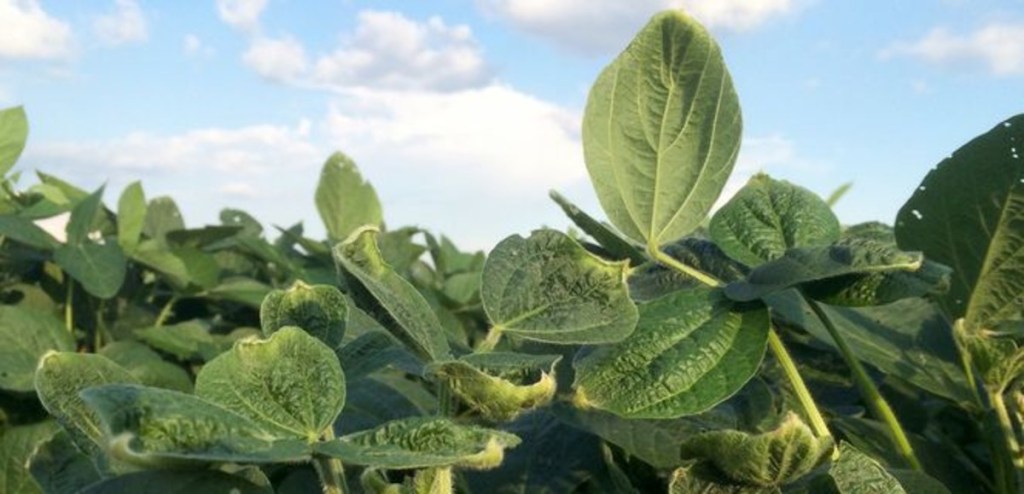
Dicamba is a proven crop weed killer, but if it can drift from one field to another field and cause damage to crops that have not been genetically modified for dicamba. Arkansas officials have had to navigate a delicate playing field for years when it comes to the use of dicamba, especially in Northeast Arkansas where it is used on soybean and cotton crops among others.
Dicamba has been banned in several states. Dicamba has been used as a herbicide for more than 50 years to manage 200 broadleaf weeds. Hundreds of lawsuits have been filed in connection with the use of the herbicide nationwide during the last decade.
Dicamba has been highly controversial in its application since the Arkansas Plant Board received about 1,000 damage complaints in May 2017, primarily in Northeast Arkansas. Drift from the application of dicamba was suspected to be damaging other crops.

 The Grand Prairie Herald